Read a full account from Brenton about his incredible journey below.
Incredible Island Immersion
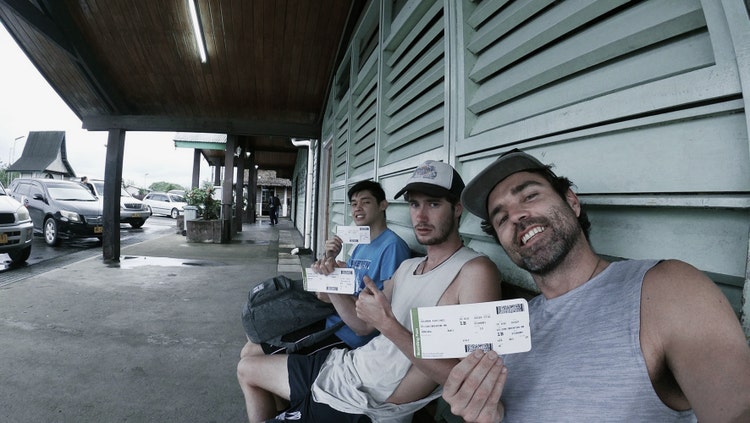
As we flew over glistening, aquamarine water, speckled with reef, we knew this trip would be much more than an ordinary clinical placement. My name is Brenton (BJ) Wilson and I am a final year dental student from James Cook University (JCU) in Cairns. With two peers and an Australian dentist supervisor, we travelled to the Solomon Islands for a 4 week immersive experience.
This small pacific island nation is one of Australia’s closest neighbours. Despite its geographical proximity to home, there are significant disparities in terms of health resources, which we experienced first-hand. Our flight landed in the bustling city of Honiara. This capital city was merely a stopover, as we were destined for the remote province of Malaita, approximately 100km to the east.
Some people would journey more than 8 hours; walking and riding in the back of trucks to access dental care. Last but not least… the betel nut. This psychoactive nut from the areca plant is chewed with lime to give a short-lived euphoric ‘light-headed’ feeling. Its use is widespread, has cultural and customary importance and is particularly prevalent among men in the Solomons. Without getting into the nitty-gritty of dental sciences, the main consequences of this habit are red-stained smiles, worn down dentition, teeth which are tricky to take out and a susceptibility to mouth cancer. Our week in Auki gave the local team the opportunity to identify two needs from our JCU group. One - to complete a school screening program for 6 and 12 year old children in the remote villages to assist with planning and funding. And two - if the BOQ Specialist FutureFocus Grant Fund could go to the provision of two new highspeed drill handpieces, this equipment would significantly improve the quality of dental care being provided in this region.
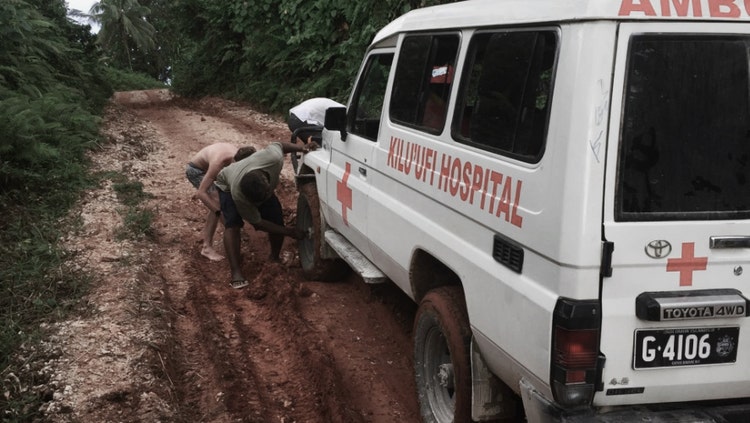
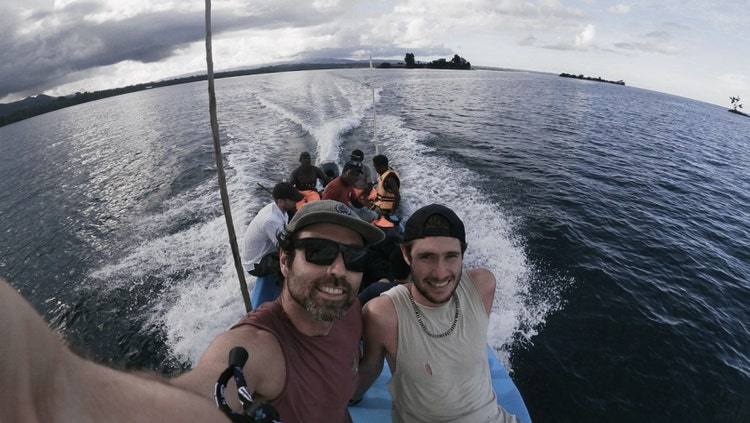
After being bogged a number of times, we arrived at an unsuspecting jetty… a few big rocks sticking out into the water. Here we were met by a 16-foot banana boat with 40HP which would be our primary mode of transport for the next few weeks.
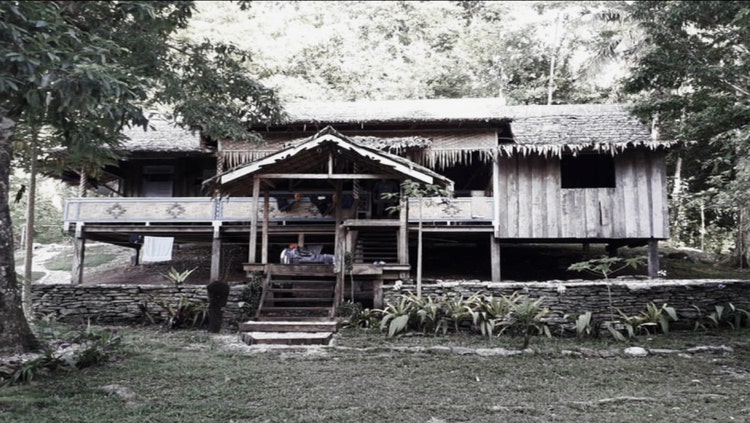
A thatched house with a large undercover deck which would be our sanctuary for the rest of our stay. With no internet and a little bit of solar power, it was actually like visiting a retreat.
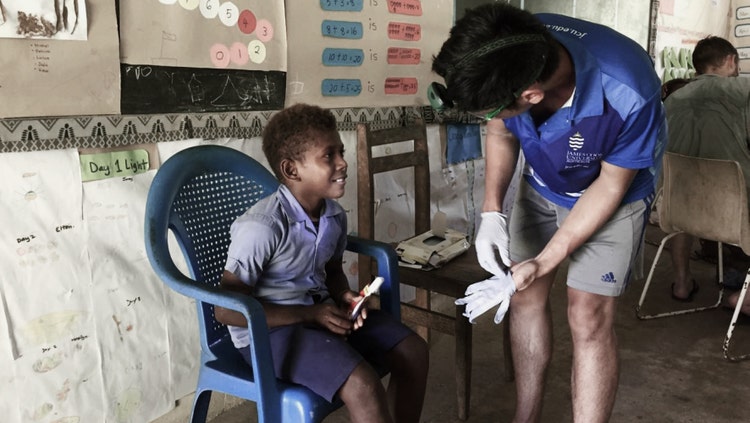
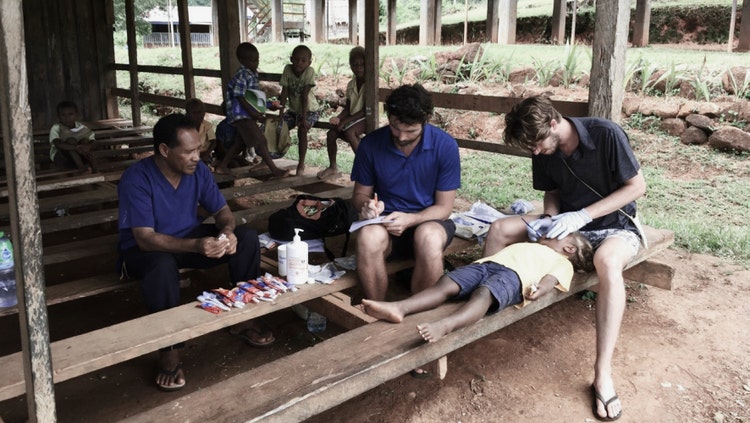
Our clinical work here was rewarding but busy as we are the only dental services to the region each year. Each day we would see up to 35 patients, almost always with long-standing toothaches. The stoicism of the local people was impressive, as people would wait for months to see our dental team for relief of pain. Most teeth required extraction and the people displayed an indescribable appreciation for the help we provided. Beyond clinical service, we visited four schools in the region to promote oral health and complete the screening as requested.
One of the schools we visited was the first in the region to have running water, providing the perfect opportunity for toothbrushing by the pupils before school.
This really highlighted not only the barriers to accessing health care, but reiterated the importance of the upstream, social determinants of health. We had the pleasure of travelling to school with the kids; first in a dugout canoe, then a short walk leaping between boulders, followed by a long, narrow balance-beam boardwalk through the mangroves.
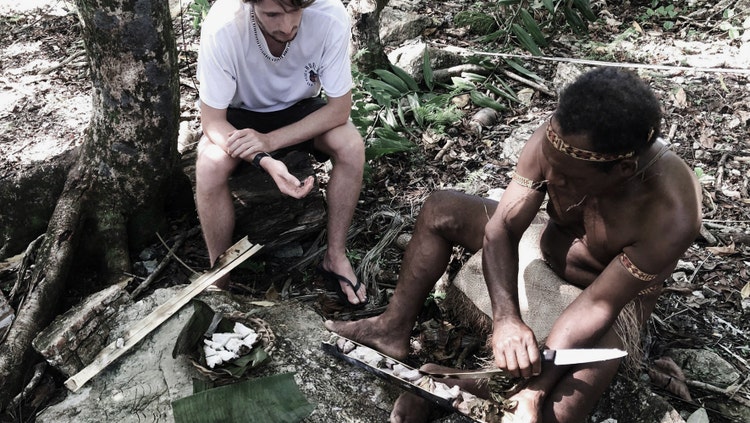
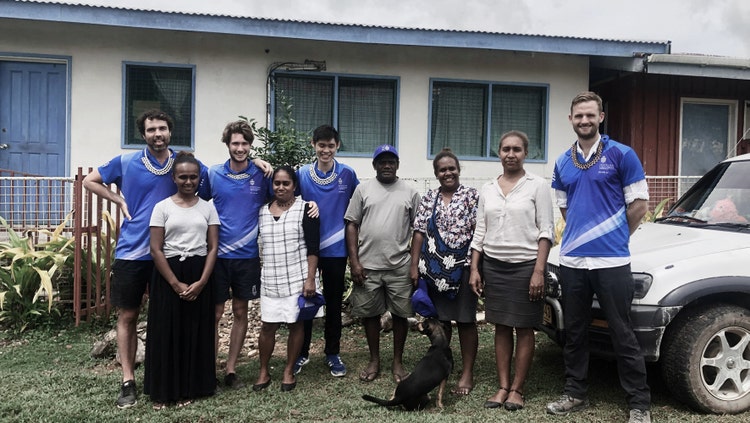
Perhaps the most eye-opening aspect of the trip was the cultural immersion experience we were privy to. We stayed with and became part of a local family. Associated with this honour, there were a number of responsibilities, including understanding and adhering to the village hierarchy and dynamic. Each day, a smorgasbord of local foods was prepared by local village women, fresh from their carefully maintained gardens. Fresh fish and a delicious variety of vegetables cooked over the fire were our daily staples. Our morning wake up was with the boat ride to Atoifi each morning in lieu of no coffee.
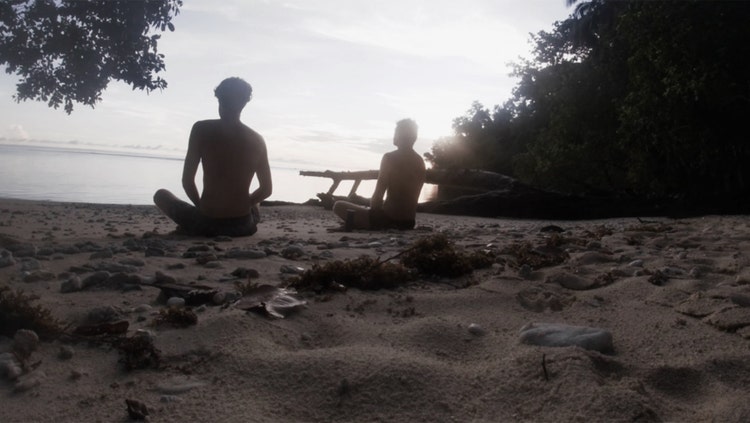
It wasn’t all work and no play. Our morning routine included meditation and yoga on the beach to greet the sunrise each day. Swimming, snorkelling, spearfishing, playing cards or lounging in the hammock comprised our afternoons. On the boat we voyaged to deserted islands on our weekends. Some days we were joined by dolphins racing the boat. One of our trips was joined by members from the Australian High Commission who dabbled in fishing, snorkelling and drinking coconuts after our key diplomatic work together was done.
This incredible island immersion was genuinely life changing! Although we have given our time and skill to these appreciative people, I believe I have taken so much more away from this trip. I have a better understanding of health in low-resource settings, local customs, the Pijin language and the social determinants of health. It has certainly confirmed this is the first of many volunteer trips for me in the future. This privilege would not have been possible without the assistance from the BOQ Specialist FutureFocus Grant, which provided funds for transport and accommodation and has provided the Malaita province with its only two dental drills. Best of all, I have the GoPro footage to keep reliving this magical month.
“Lukim iu moa”
See you later
Developed exclusively for medical and dental students, each year the BOQ Specialist FutureFocus grants enable five students the opportunity to undertake an overseas placement so that their commitment to helping others can be realised. Applications for our FutureFocus Grant open in May and close in August.
You can also access funds to help undertake an overseas placement, with our Student Banking Package.
You may also be interested in:

Student Banking Package
A banking package to help you through your final two years of study
This banking package includes an everyday bank account with an optional overdraft facility and a Platinum credit card packed with rewards and benefits.
FutureFocus grants
Our FutureFocus grants are designed exclusively for medical and dental students to alleviate some of the financial pressures of an overseas placement, ensuring students can focus on contributing to helping others.