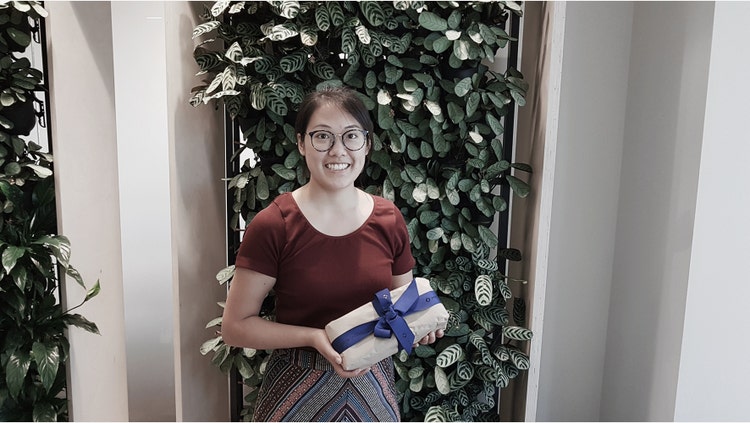
Caroline travelled to Myanmar to undertake aplacement with Medical Action Myanmar (MAM), a non-government organisation dedicated to providing healthcare to the poorest people in the area. During her time, Caroline documented her journey, recounting her first-hand experience in what she describes as an ‘incredibly eye opening opportunity'.
Read a full account from Caroline about her incredible journey below.
Medical Action Myanmar (MAM)
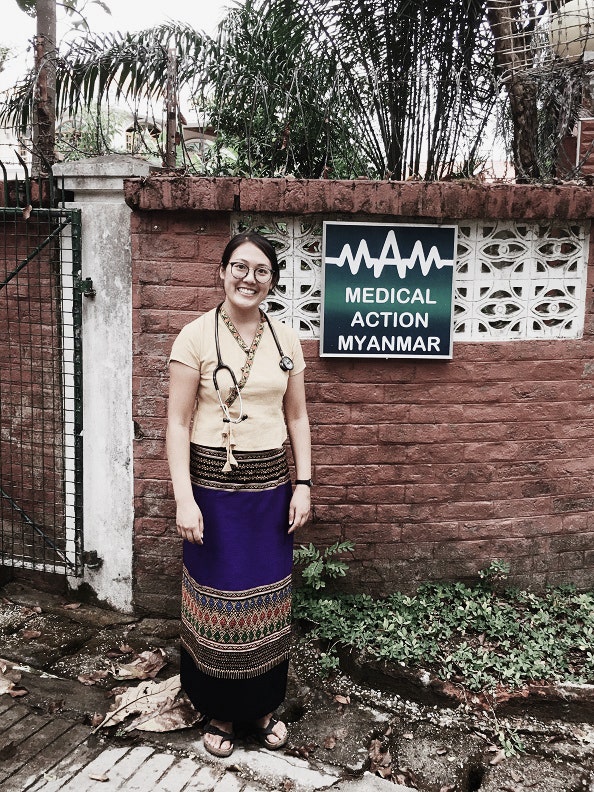
It's early morning when I step off the minivan in front of the clinic, but the street has been alive for hours already. My shirt is already clinging to my skin. Motorbikes whiz by with passengers perched on the back, men and women wearing colourful longyis stroll to work or to the market, kids play football in the street. The fragrant smell of mohinga (fish curry) wafts from a stall where a lady stirs soup in a giant metal pot, dishing out fresh bowls for passers-by for a few hundred kyat (less than $1AUD). They sip soup from bowls, sitting on little plastic stools next to her. Life here feels more real, more intense, and yet as an outsider I know I am only catching a glimpse.
I'm here for four weeks on placement with Medical Action Myanmar, a non-government organisation dedicated to providing healthcare to the poorest people in Myanmar. It was set up by doctors Ni Ni Tun and Frank Smithius, who transformed the former MSF clinic into a primary health care facility for the community. This is their largest clinic, known on paper as the "Orchard Clinic" and to staff as "Clinic A", one of two clinics situated in Hlaingthayar, a poor township on the outskirts of Yangon. Daily scenes in this community are a striking contrast to those in Yangon, becoming increasingly developed in recent years. In Hlaingthayar, the houses are mostly one or two roomed bamboo huts or makeshift lean to's, cramped next to each other as if rubbing shoulders with neighbours. Some are perched over swampy water by wooden stilts, less than a metre tall, and a few creaky wooden planks from the street to the front door serve as a bridge over a shallow trench of stagnant water, covered on the surface by green algae. I wonder what happens to these stagnant pools when the rainy seasons come, imagining the clinic full of children infected with dengue.
Myanmar is a country that has been in the global spotlight for a number of years, and especially in recent times. The disparity between the ‘haves’ and ‘have nots’ is strikingly apparent. Healthcare is unaffordable for most people with low income, and although government hospitals provide care for low cost, many struggle with distance, time away from family or work responsibilities, or feel uncomfortable in the system.
Clinics run by MAM provide healthcare free of cost, helping to bridge these financial and social barriers that these people face. As satellite clinics of the National AIDS Program, they specialise in HIV treatment and care, providing a multidisciplinary service that offers testing, counselling, medical consultations, medication dispensing and logistic support including nutrition. In addition, MAM clinics also provide antenatal care, STI treatment, family planning, treatment for acute malnutrition, child support and protection, general medical services, and community outreach with a network of peer educators.
MAM particularly serves key groups who are at high risk of HIV (such as sex workers, drug users, and men who have sex with men). They also address social barriers in access to care, including stigma. Peer educators are the cornerstone of their outreach work, helping to link these individuals to care, spread awareness, and allow them to feel comfortable to access these services. For example, outreach teams identify brothels and offer testing for HIV and STIs, counselling and distribution of condoms, and encourage sex workers who are willing to come to a clinic.
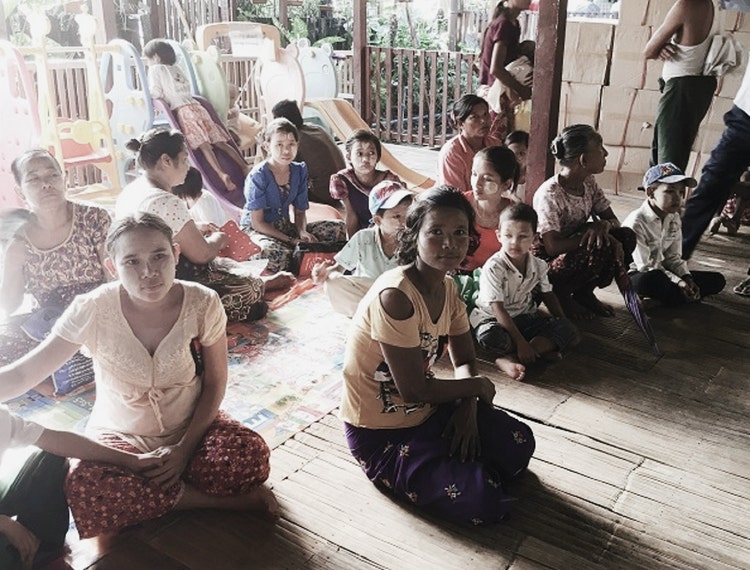
Every day in the clinic, we saw a variety of conditions, many of which are rarely encountered in Australia. HIV and tuberculosis diagnosis and management was as ‘bread and butter’ as managing hypertension and diabetes in Australia. Thanks to MAM's comprehensive program, most patients were well controlled, with high CD4 counts and undetectable viral load. That being said, uncontrolled diabetes and hypertension were on the rise, and it was a common story to have a patient with a random blood sugar of >400 mg/dL who was already on the maximum dose of the two medications available in the clinic - metformin and glicazide. In some cases patients were not willing to adjust their diet, which typically consisted of a lot of carbohydrate-rich rice, or see an Endocrinologist at the hospital. It was a sober reminder of the emerging problem of non-communicable diseases in low and middle income countries.
Volunteering or undertaking a placement in a health service in a developing country taught me a lot of things, many of them not strictly medical but incredibly eye-opening nonetheless. MAM is a prime example of the power of a multidisciplinary service to provide excellent health outcomes at low cost for a very disadvantaged population. It also illustrates a model of care for HIV, primary care, and recently Hepatitis C, that can be achieved in resource-poor environments.
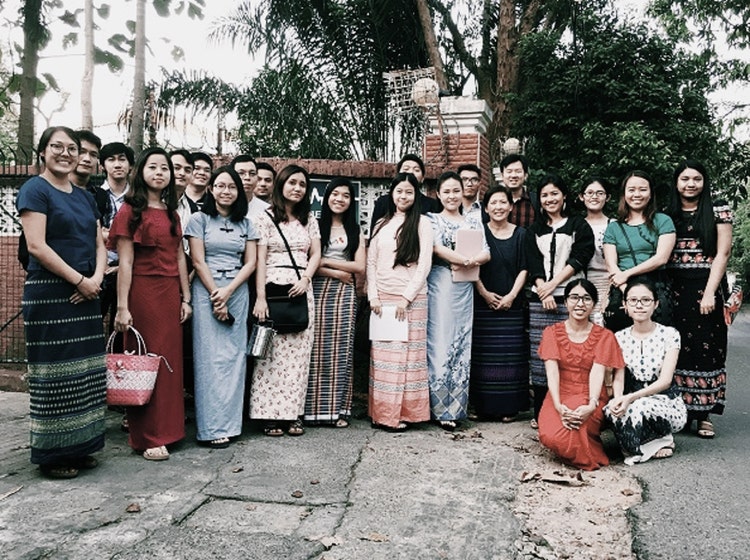
My interest in global health has only grown since visiting MAM, in part due to what I experienced in clinic, but also from the opportunity to contribute in a small way to the service - through the donation of the autoclave, and my involvement in the Hepatitis C project. Additionally, being amongst a community of local staff and passionate expat volunteers from all around the world made me feel right at home amongst like-minded people. I can't wait to come back to MAM in the near future as one of these volunteers, hopefully when I have greater knowledge and skills to offer.
After gaining such great experience, Caroline says "I can't wait to come back to MAM in the near future as a volunteer, hopefully when I have greater knowledge and skills to offer".
Developed exclusively for medical and dental students, each year the BOQ Specialist FutureFocus grants enable five students the opportunity to undertake an overseas placement so that their commitment to helping others can be realised. Applications for our FutureFocus Grant open in May and close in August.
You can also access funds to help undertake an overseas placement, with our Student Banking Package.
You may also be interested in:

Student Banking Package
A banking package to help you through your final two years of study
This banking package includes an everyday bank account with an optional overdraft facility and a Platinum credit card packed with rewards and benefits.

FutureFocus grants
Our FutureFocus grants are designed exclusively for medical and dental students to alleviate some of the financial pressures of an overseas placement, ensuring students can focus on contributing to helping others.